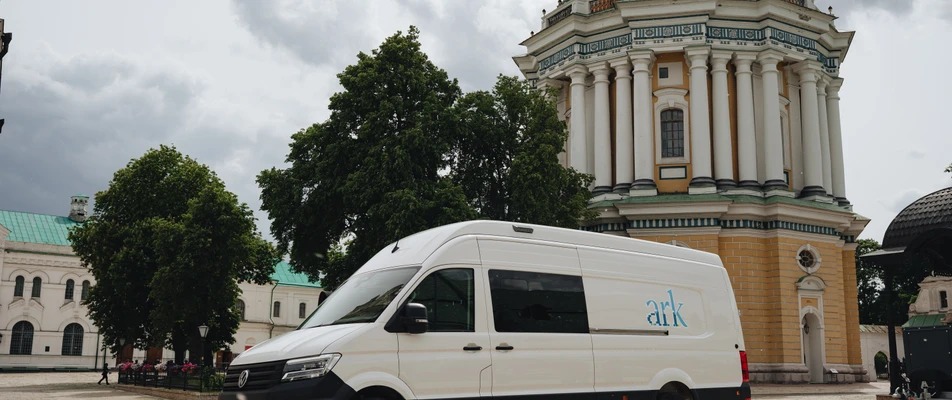
Archa III is already helping to preserve cultural heritage in Ukraine
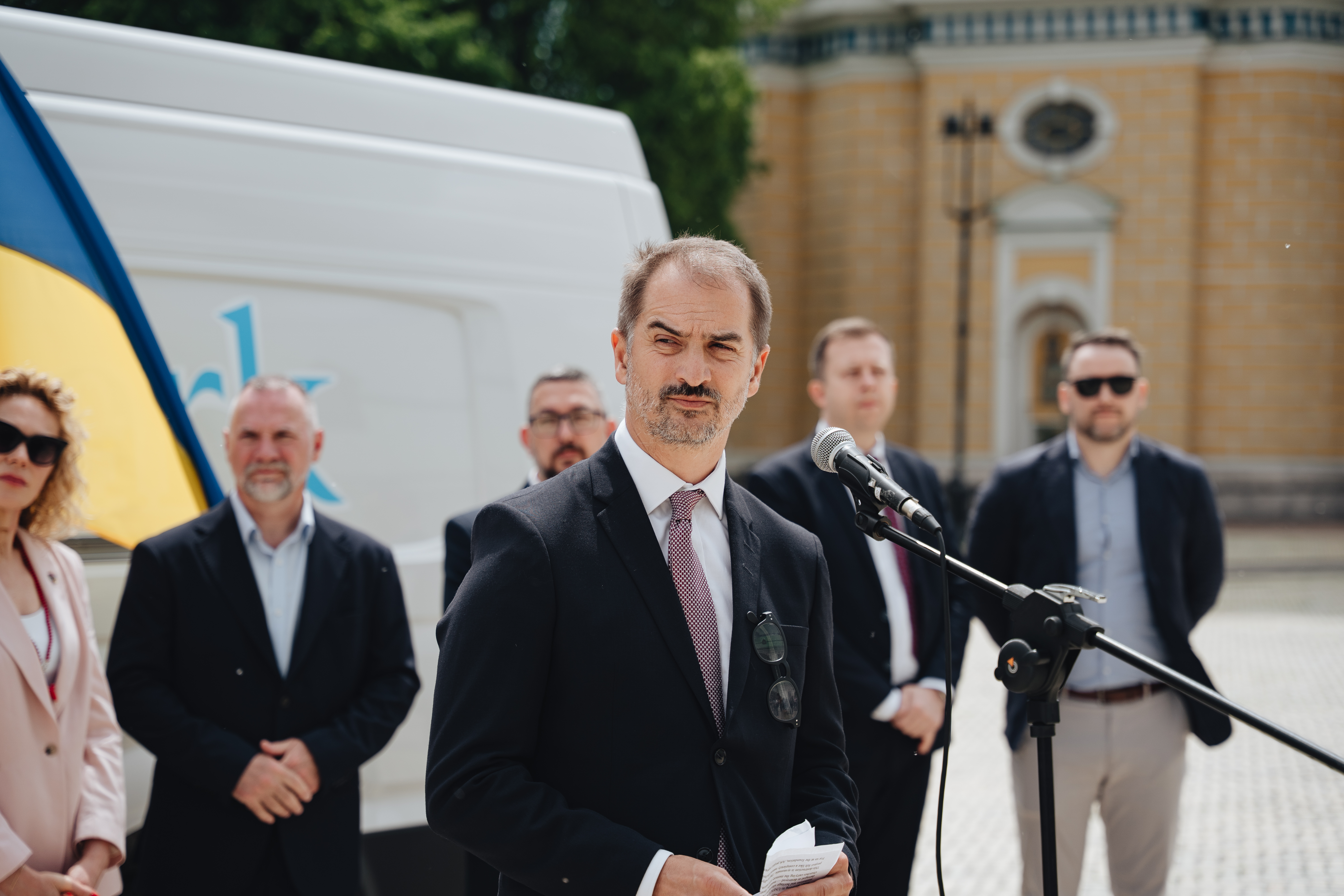
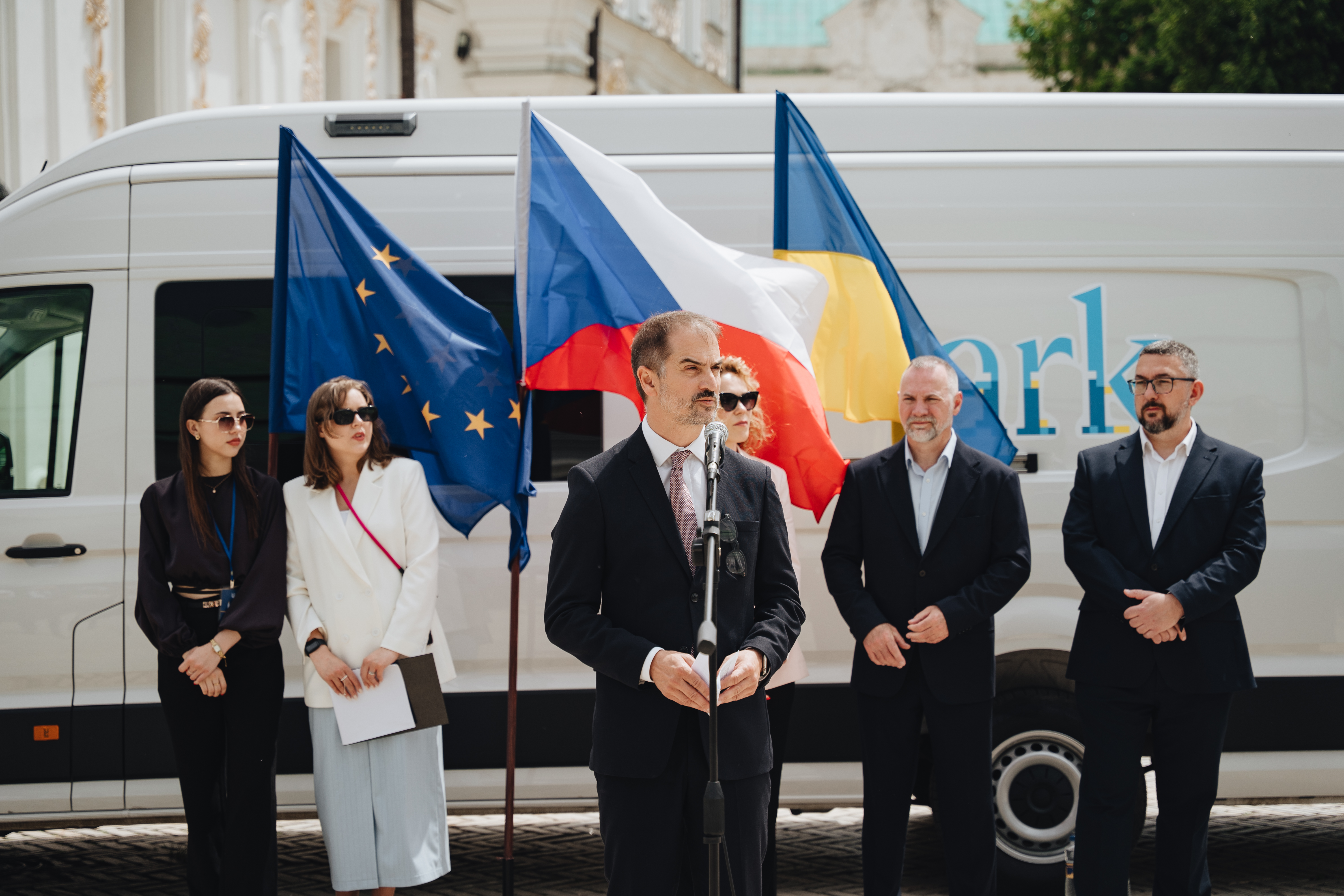
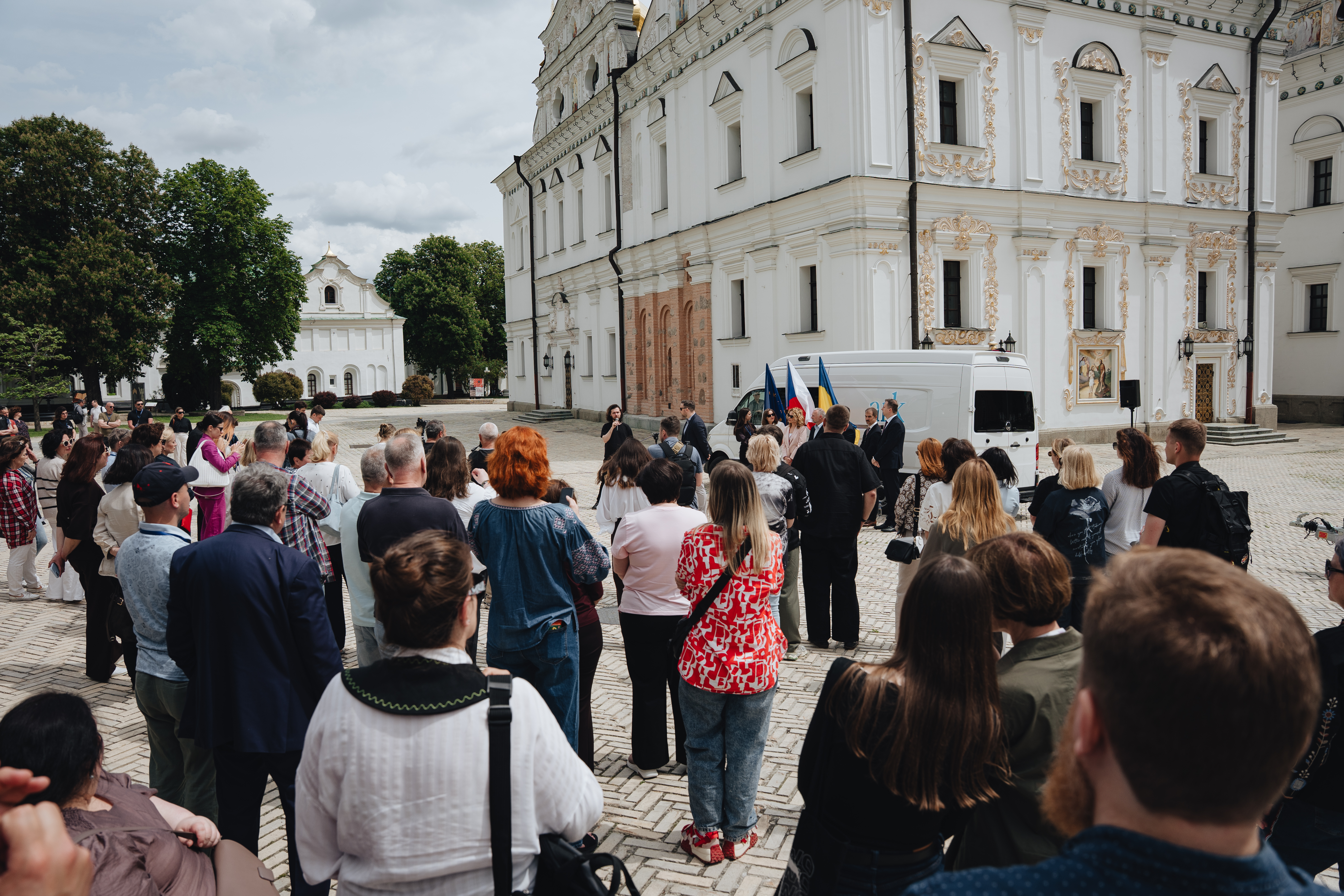
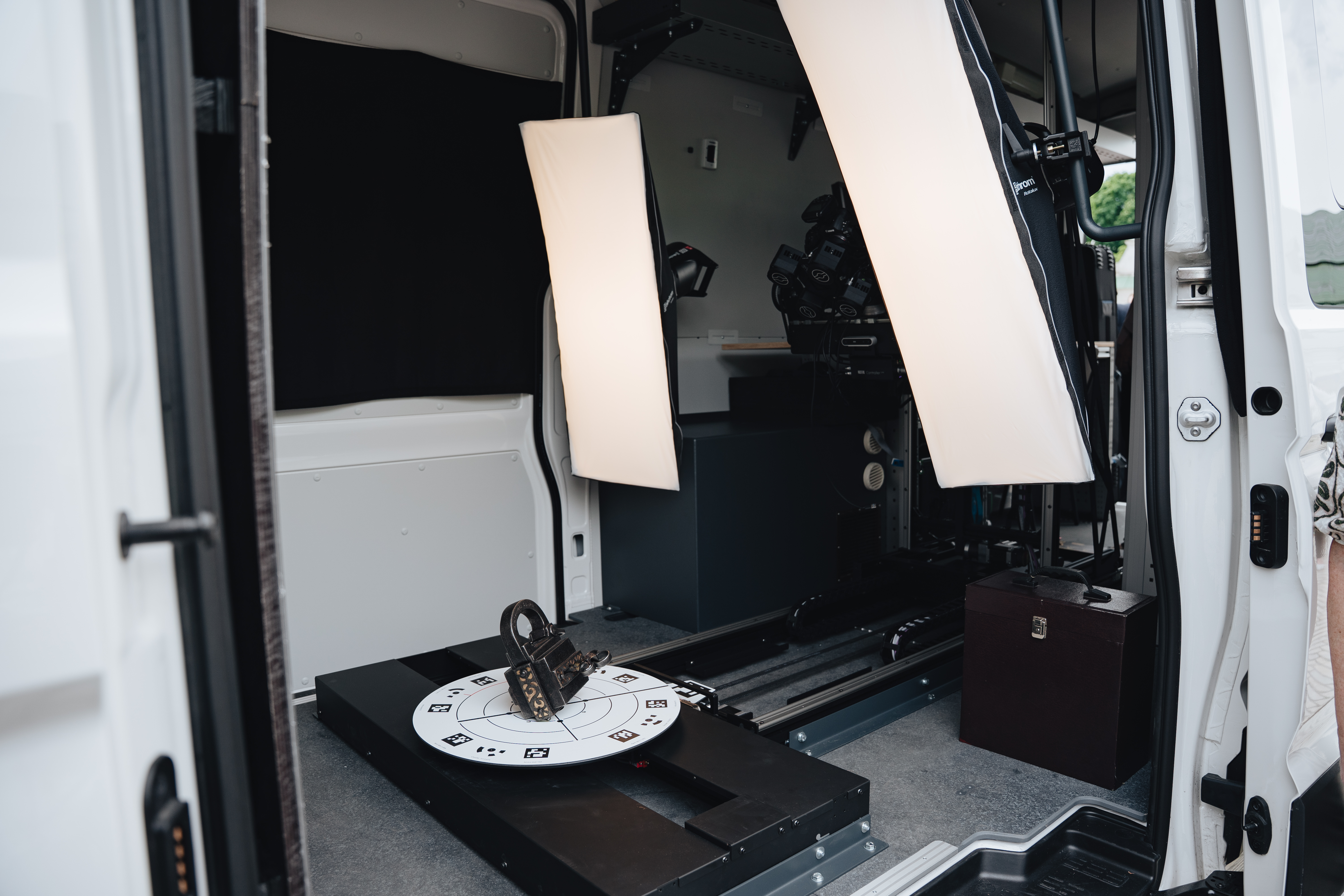
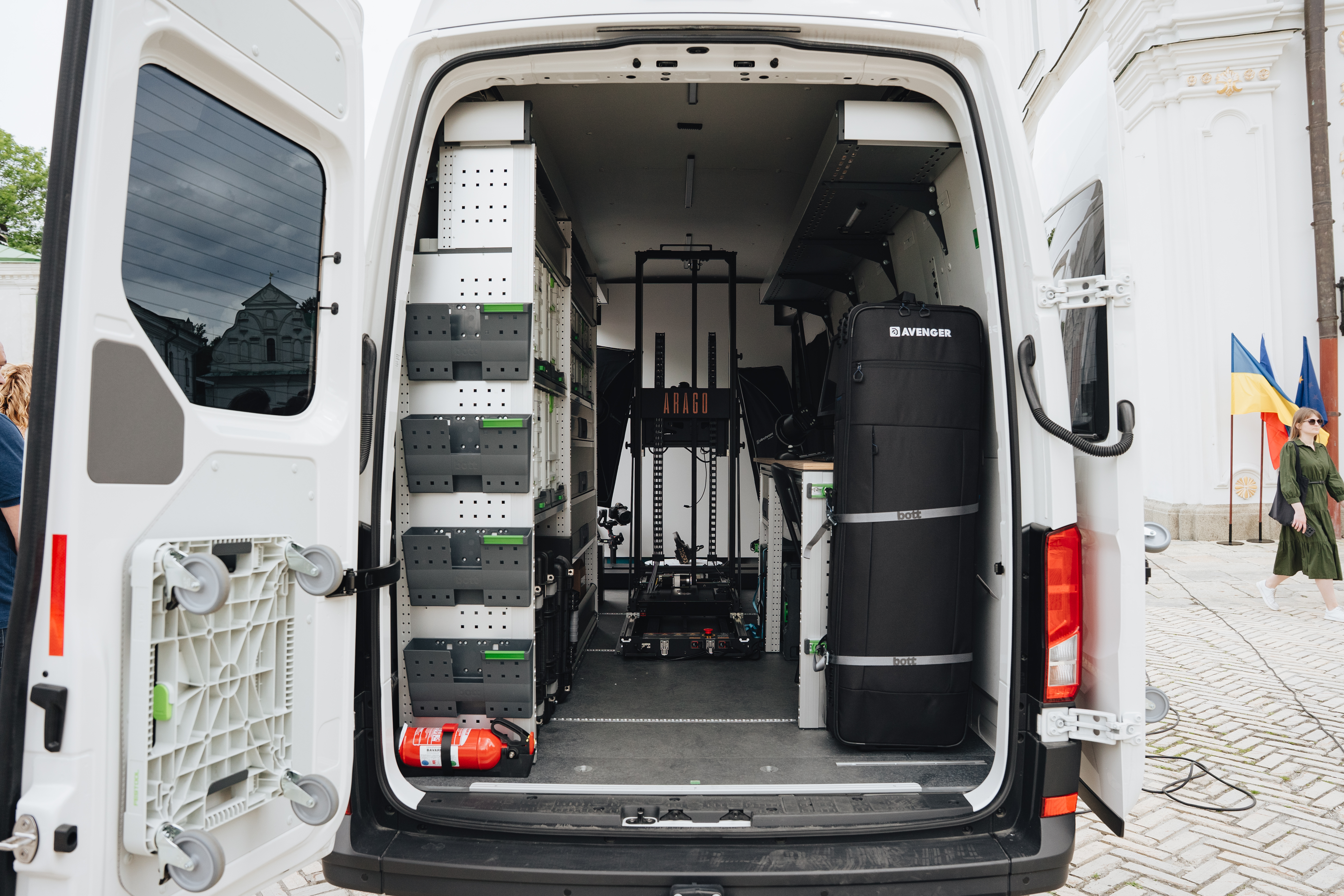
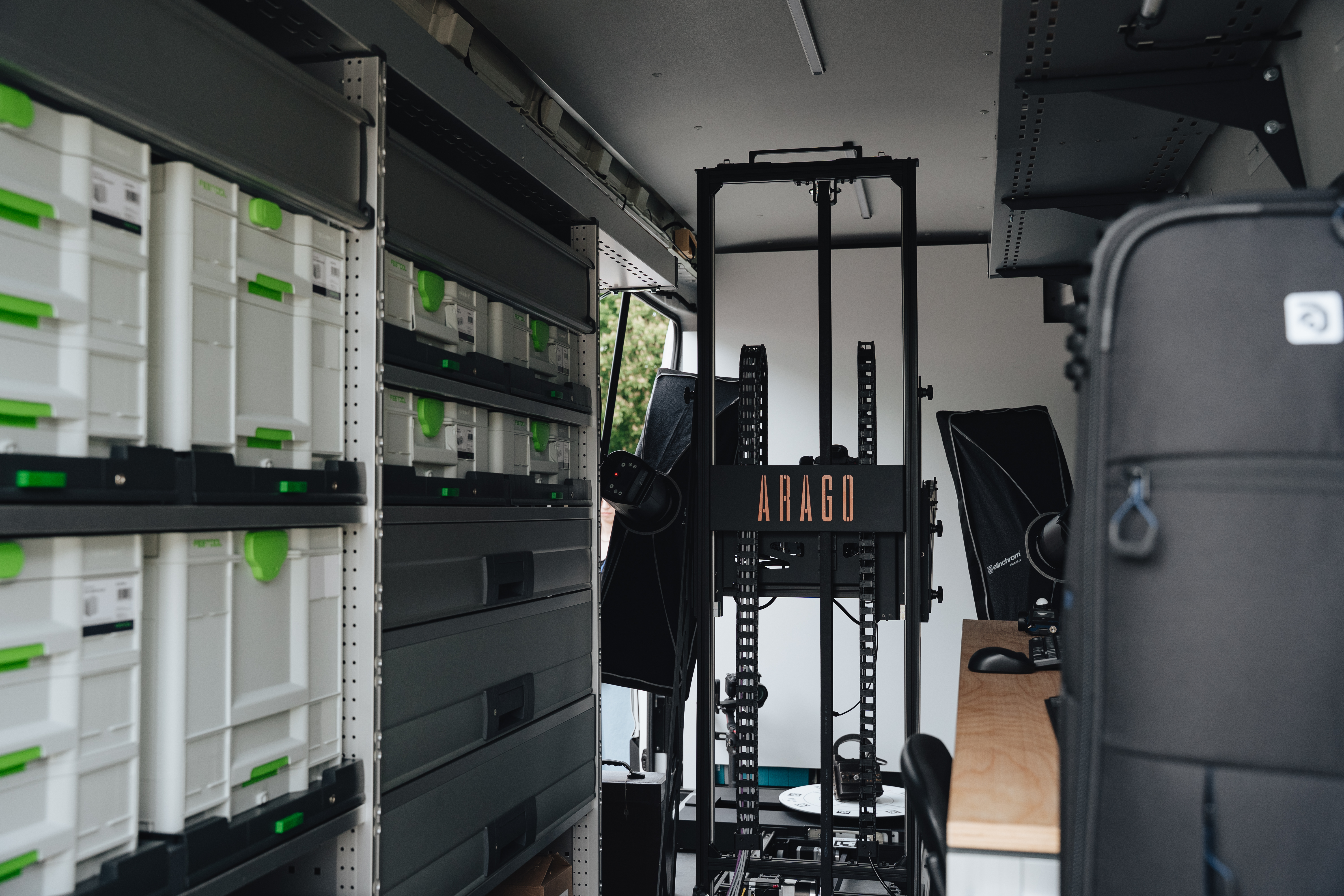
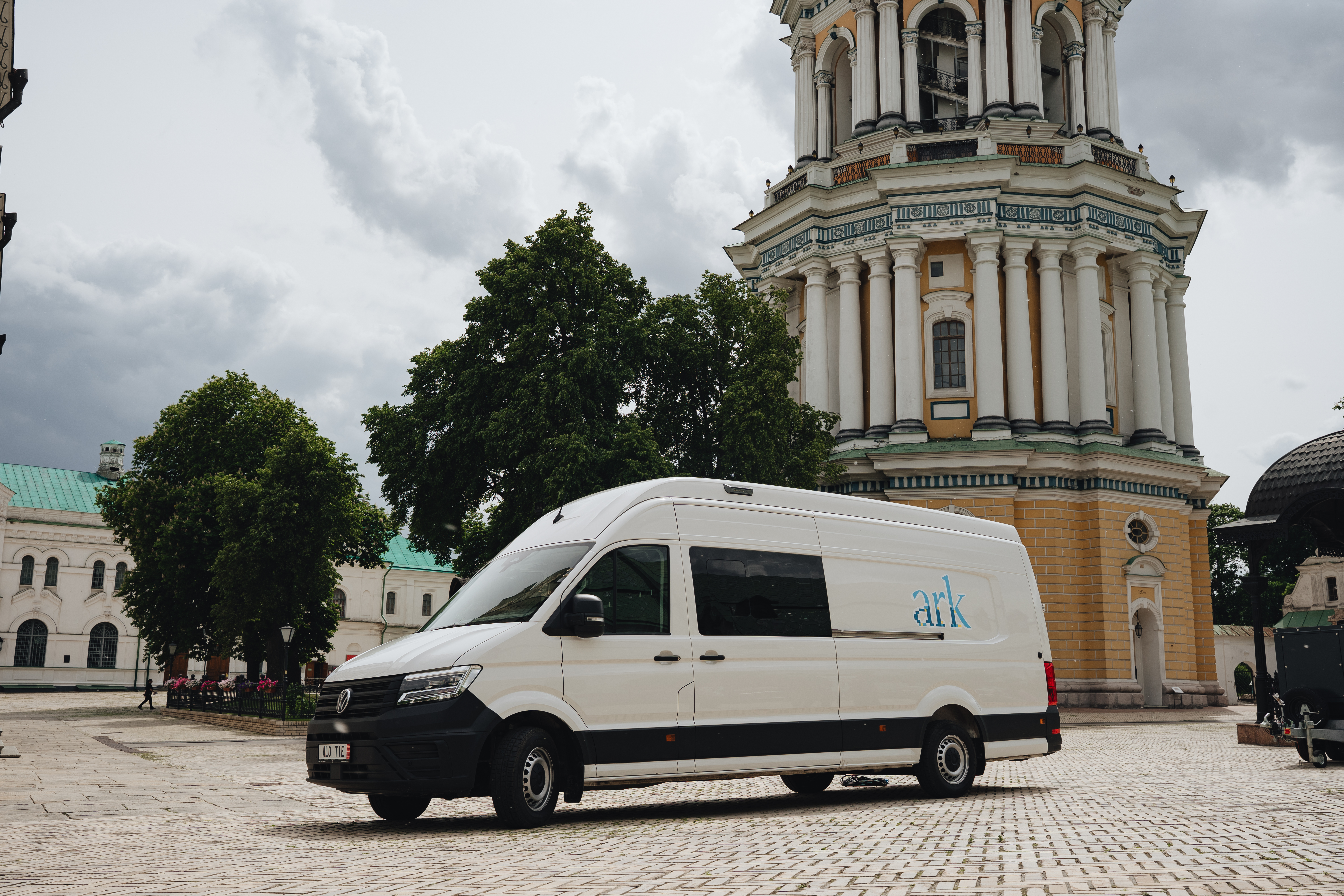
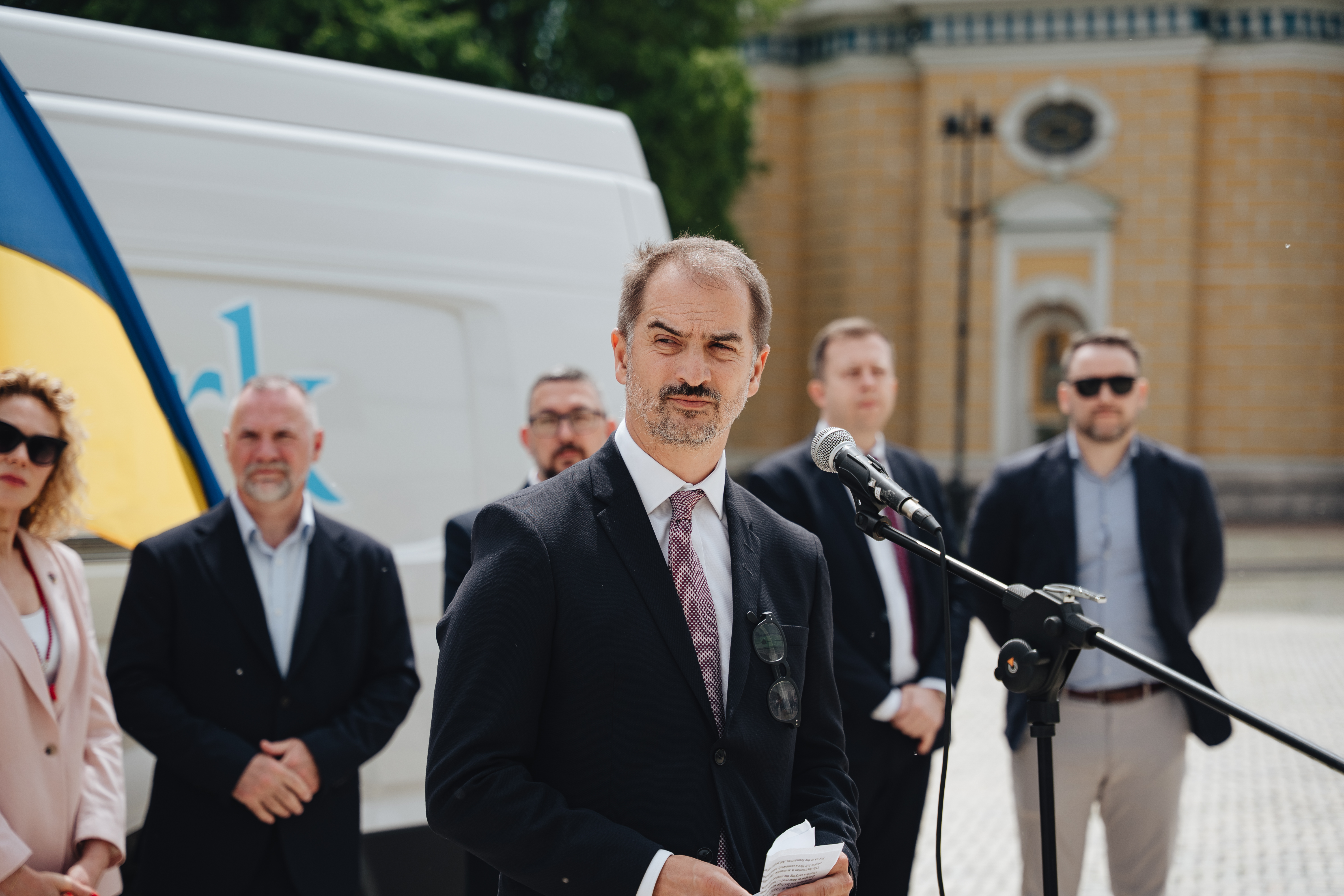
On the premises of the Kyiv-Pechersk Lavra, one of Ukraine’s most significant spiritual and cultural centres, representatives of the Ministry of National Defence, the Karel Komárek Family Foundation (KKFF) and the National Museum handed over the Archa III mobile conservation unit to the Ukrainian side. The device is capable of producing 3D scans of objects of various sizes in the field, ranging from small artefacts to historical items.
This took place at the end of May, two days after the Russians launched one of their most intense attacks on Kyiv. During the attack, they also used the Oreshnik missile, which not only claimed many lives but also destroyed several museums in Kyiv. It was not only for this reason that there was a strong sense of solidarity at the handover of Archa III.
As Anastasiia Bondar, Ukraine’s Deputy Minister for Digitalisation, told us: “This gift is important to us not only because it will help preserve Ukrainian heritage, but also because it represents a high technological standard. We appreciate what the team led by Paul Safko has created.”
According to Maksym Ostapenko, director of the Lavra, it is wonderful that the mobile device has reached Ukraine even during these tense times. He, too, expressed his gratitude to the project’s creators – the National Museum and the KKFF Foundation, which funded it.
“I regard the handover of Archa III in Kyiv as a crucial milestone in the support that the KKFF Foundation began providing to the Ukrainian side immediately following Russia’s invasion of Ukraine. All our efforts, from supporting Ukrainian mothers and children fleeing the war to running adaptation camps for their children, have had a single aim: to help protect the Ukrainian nation and its identity. “It is my hope that Archa III will fulfil its enormous potential precisely in the interests of this goal,” said Luboš Veselý, director of the KKFF Foundation.
According to him, this facility was also established thanks to the foundation’s ability to bring together key institutions and, in collaboration with them, create innovative projects of international significance.
“Glory to Ukraine!” said Zinovyj Kozitskyi, founder of the Kozytskyi Foundation – which works closely with both the KKFF Foundation and MND Ukraine – as he began his brief speech.
Its representatives, Jana Hamršmídová and Lukáš Svozil, were also present at the handover ceremony and went straight on to a meeting with representatives of the Olena Zelenska Foundation to discuss where and how best to continue helping the country ravaged by Russian aggression and its people.
Among others, the handover was also attended by experienced Czech war correspondents Martin Dorazín and Patrik Kaizr. The tense situation in the country was also illustrated by a brief incident upon arrival in Kyiv, when TV Prima correspondent P. Kaizr was preparing to film a live report for the morning broadcast.
An elderly Ukrainian woman called the police on the reporter and tried to thwart his live broadcast with minor physical attacks. Kaizr, however, handled the whole situation with complete composure. The woman only believed us when we showed her a press release about Ark III written in her own language.
“Don’t be surprised; people here live under enormous pressure and don’t trust anyone,” said our local driver, who was also trying to settle the dispute, in her defence.
Travelling through a country where every cemetery contains rows of fresh graves marked with Ukrainian flags, a country where, at the border, you encounter groups of young men returning with prosthetic limbs – or, in the worst cases, without any limbs at all – is depressing.
The sense of hopelessness is slightly alleviated by the knowledge that the KKFF Foundation and the National Museum are providing meaningful, consistent and long-term support. Indeed, Archa I has been operating in Ukraine since January 2025, saving rare old books.
The Archa project was launched in response to the systematic destruction of cultural heritage in Ukraine. In a country where hundreds of monuments and institutions have been damaged or destroyed since the start of the war, it represents a concrete means of safeguarding the nation’s memory even under the most difficult conditions.
“It’s not just about books or archives. It’s about what these things symbolise,” said Luboš Veselý, director of the KKFF Foundation, during the handover of Archa III.
Dana Dvořáková, Martin Beneš
We must help and think about what comes next
. One morning in late February 2022, just a few days after the war began, my colleague Jana from the Ministry of National Defence rang me. She said just one sentence: “We must help our Ukrainian friends.” The very next weekend, the first lorry carrying humanitarian aid set off for Lviv. Dozens more followed in the weeks that followed.
As time went on, however, it became clear that our aid efforts needed to evolve and adapt. As hundreds of thousands of Ukrainians arrived in the Czech Republic, we also focused on children. We supported their involvement in sport, the arts and leisure activities, because that is precisely what helps them return, at least in part, to a normal life.
At the same time, however, we began to ask ourselves another question: how to help Ukraine not only survive, but also preserve its own identity, dignity and future.
For us, culture is not just history or collections. Culture is memory. Culture is identity. Culture is continuity. And in times of war, protecting it means preserving who the nation is – for future generations and for the country’s future recovery.
Today we know that hundreds of cultural institutions in Ukraine have been damaged or destroyed. This is no coincidence. It is systematic destruction. That is one of the reasons why the decision to support the Archa project felt entirely natural to us.
For us, Archa represents something very important: the moment when public institutions, private philanthropy, experts and innovators come together for a common goal. Not for the sake of visibility. Not for the sake of politics. But for the sake of real impact.
A huge thank you goes to the team at the National Museum, without whose expertise, courage and innovation the project would never have come to fruition.
The first Archa has been helping in Ukraine for a year now and has saved thousands of rare documents. Today, another one is continuing this mission here at the Lavra.
For us, this is proof that even in difficult times, Europe is capable not only of showing solidarity, but also of shouldering long-term responsibility.
Luboš Veselý, Director of the KKFF Foundation
Other articles
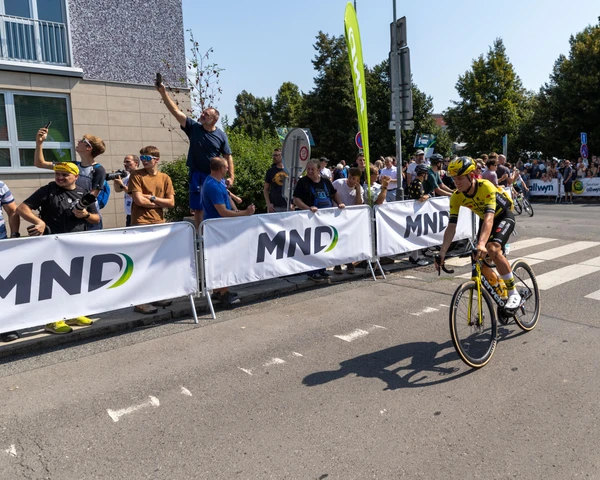
Czech Tour 2025: A look back at the biggest stage race in the Czech Republic
The biggest Czech stage race Czech Tour started from Prague for the first time in history and in four days it crossed the country to the top of Pusteven. The competitors covered a total of 663 kilometres and climbed 9,209 vertical metres. MND as the main partner was there not only with support for the starting cyclists, but also with an accompanying program for the fans.
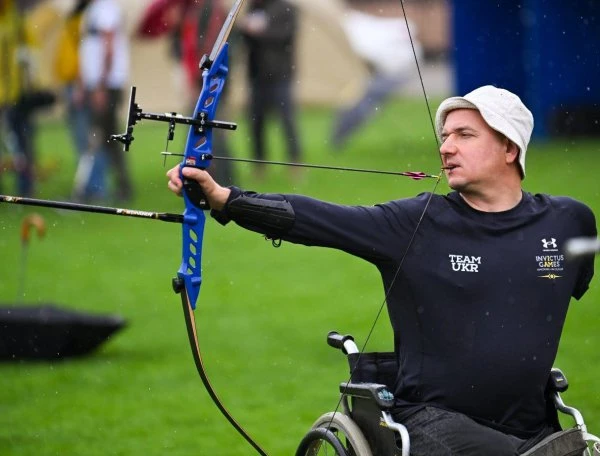
MND in Ukraine helps children and para-athletes
MND in Ukraine is expanding the scope of its assistance. Representatives of the company signed an agreement with the Olena Zelenska Foundation and supported two of its projects. At the same time, in the Lviv region, they have started sponsoring parasports, contributing to the reintegration of people with disabilities into normal life.
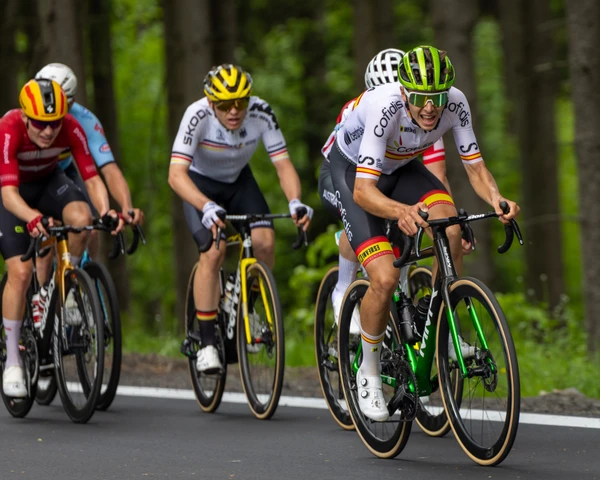
MND at the finish and on the podium. Peace Race in Green
Drama until the last few meters. This is how one could describe this year's Peace Race, of which MND was the main partner. Young cyclists came to Jeseníky from 25 countries around the world and the final sprint on the finishing straight was the final decision. The athletes had four stages with a total length of over 450 kilometres and an elevation gain of 6800 metres. Spectators saw thrilling performances as well as MND logos everywhere there was something going on.